
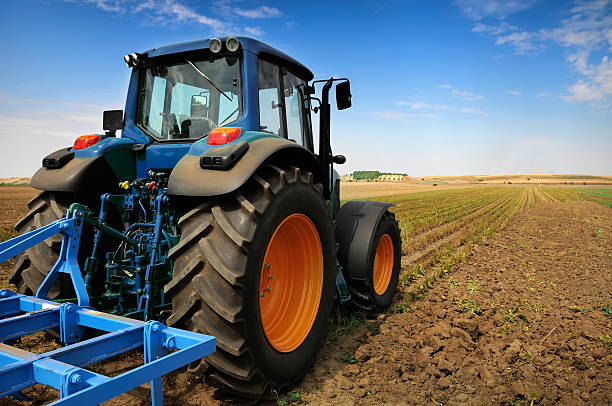
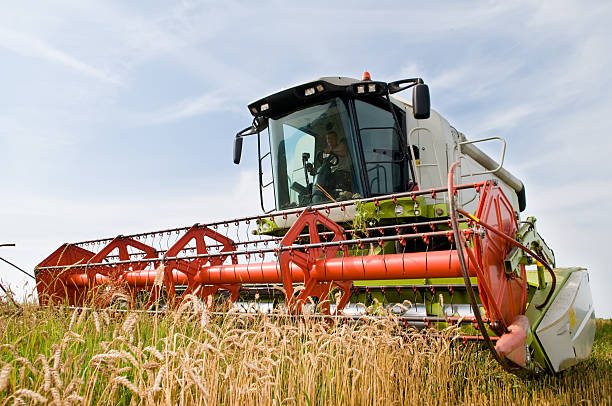
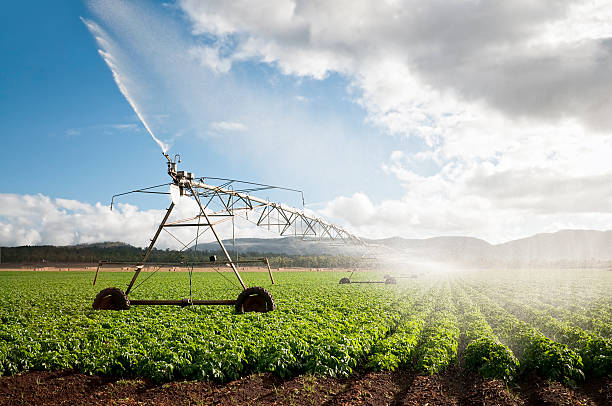
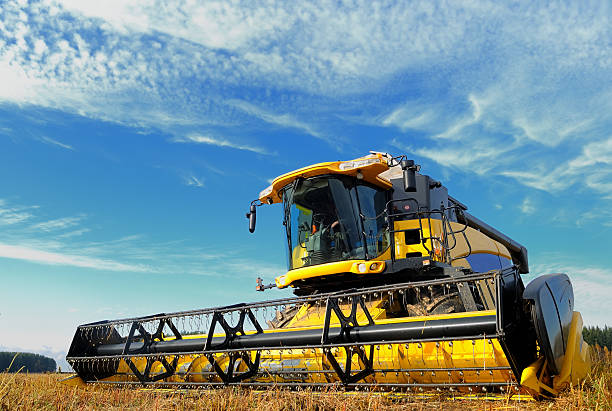
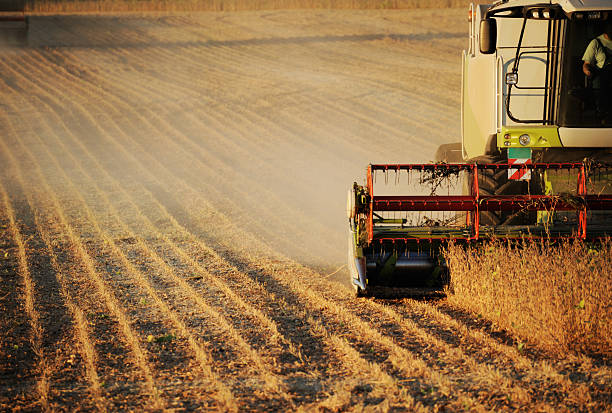
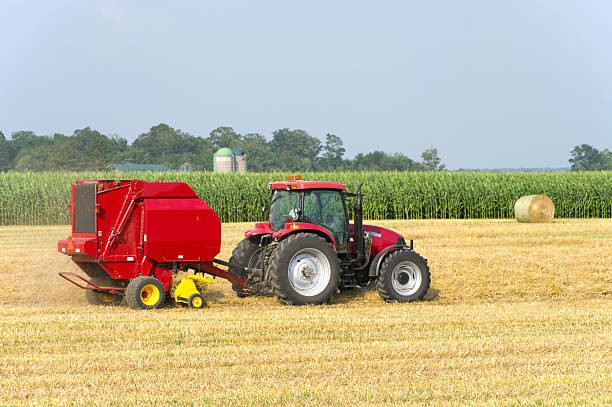
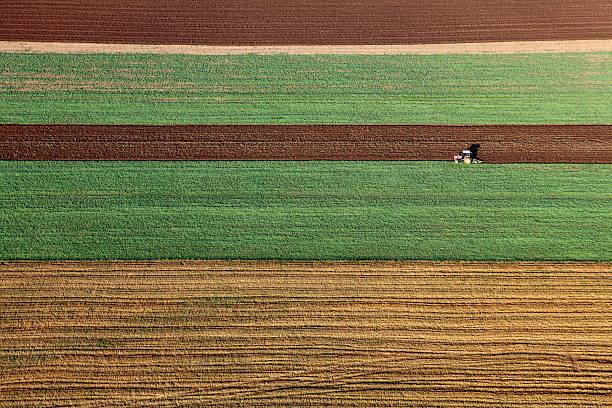
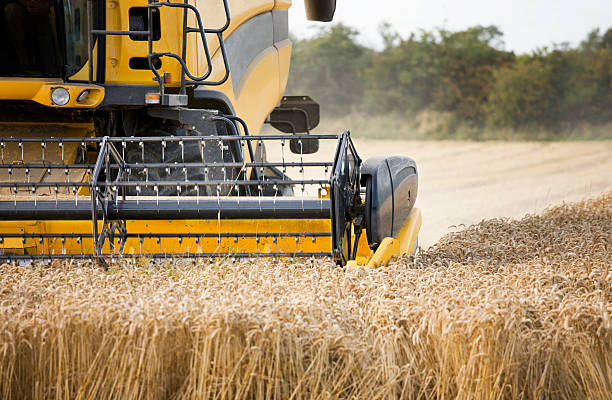
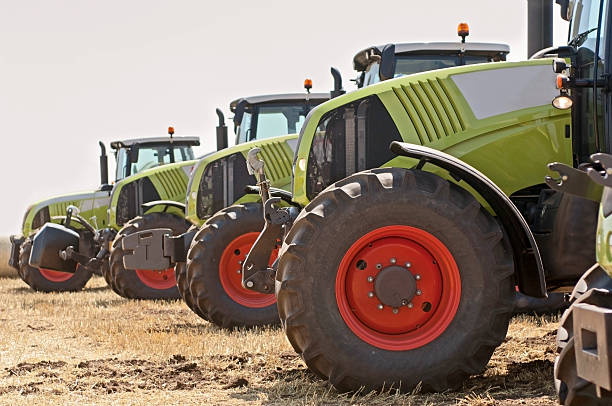
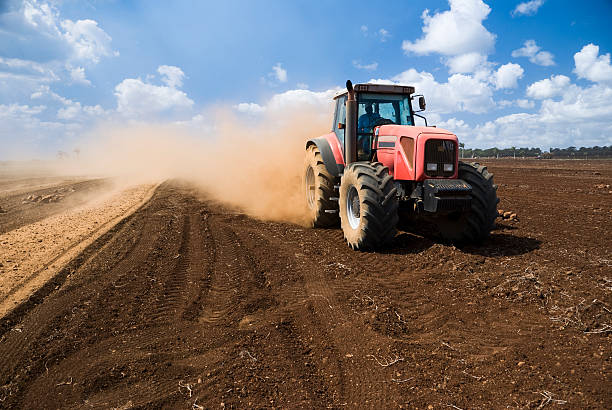
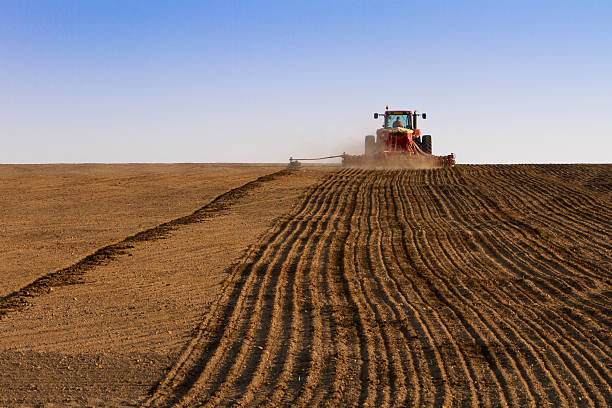
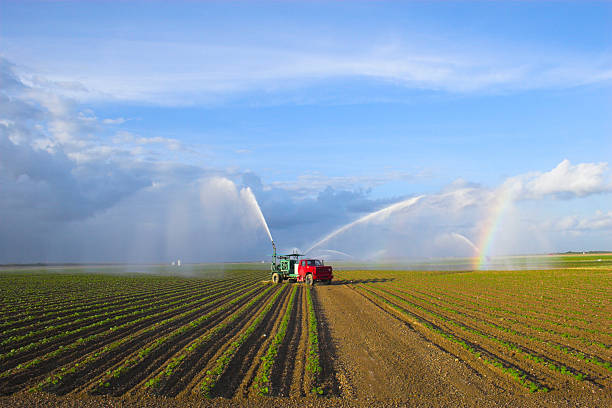
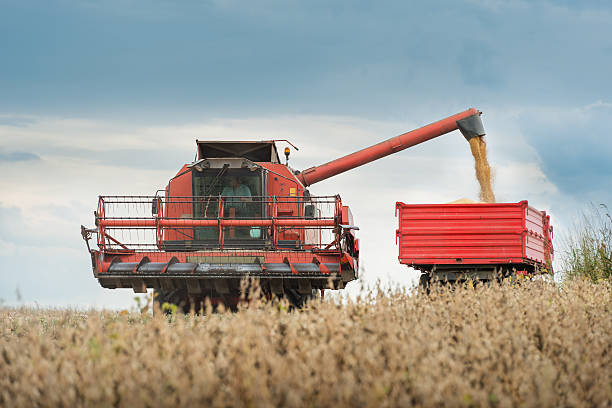
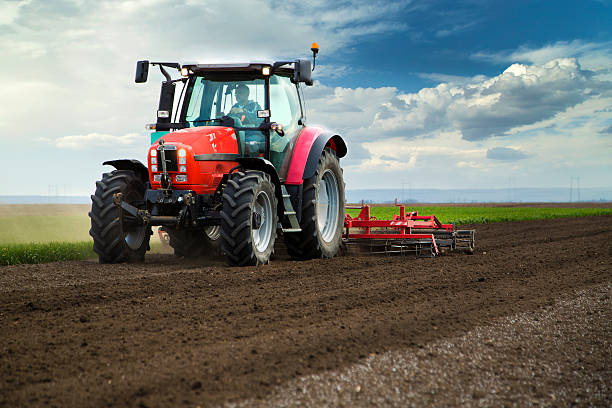
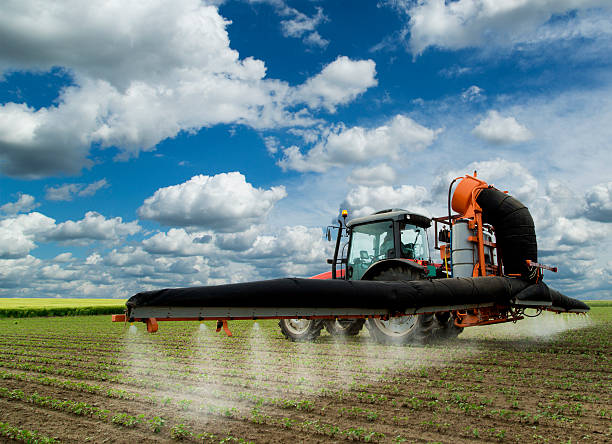
We're engaged in the agriculture business, providing cutting-edge farming equipment, and exporting high-quality, Ethiopian-made organic products. This equipment is essential for the survival of the sort of agriculture that our country demands, as well as for the country's pride to grow and evolve. Some contributions include; mechanized farming; different locations & Altitudes; utilization of different climates and produce optimized quality products; diversified products; irrigation based farming systems and environmentally friendly practices in line with corporate social responsibility.
Agriculture in Ethiopia
Ethiopia is a landlocked country split by the Great Rift Valley.
It is located in the Horn of Africa, bordering six countries: Djibouti and
Somalia to the East, Eritrea to the North and Northeast, Kenya to the South and
Sudan and South Sudan to the West. With a population
of 110 million (estimated) growing at annual rate of 2.5% in 2021, Ethiopia is
the second-most populous country in Africa (Moller, 2016). The country is the
place of origin for the coffee (Arabica) bean and sometimes referred to as the
land of natural contrasts, home to vast fertile West, jungles, and numerous
rivers, and also the world’s hottest settlement of Dallol in its North.
The real gross domestic product (GDP) growth averaged at 10.9%
between 2004 and 2014, which has leapfrogged and positioned the country to
become a middle-income country by 2025, after being the second poorest country
in the world in 2000 (Moller, 2016). Powered by considerable public
infrastructure investment, Ethiopia has witnessed a rapid and stable economic
growth, in addition to a decrease in poverty to 30% from 44% in the past decade.
Role Agriculture in Ethiopian economy
Agriculture is the mainstay of the Ethiopian economy,
contributing 41.4% of the country’s gross domestic product (GDP), 83.9% of the
total exports, and 80% of all employment in the country (Matousa, Todob,
& Mojoc, 2013). Put in perspective, Ethiopia’s key agricultural sector has
grown at an annual rate of about 10% over the past decade; much faster than
population growth.
Other important sectors are service and industrial sectors
contributing 43% and 15.6% respectively (The World Factbook, 2016). On
agriculture expenditure related metric, Ethiopia has dedicated an annual
investment of about 14.7% of all government spending to the agriculture sector
since 2003. Ethiopia is among the few African countries that have consistently
met both the African Union’s Comprehensive Africa Agricultural Development
Program (CAADP) targets of 10% increase in public investment in agriculture by
the year 2008 and boosting agricultural production growth by 6% at least by
2015.
References:
20Infomineo
Subscribe to the newsletter for all the latest updates.
Copyright @ 2022 Alliance Star Business Group


